OnlyFans free pages still ask for a card before they unlock. If you are registering on a $0 subscription page, the platform places a small temporary hold on your payment method to confirm it is real and belongs to you. That hold is $0.10, it is refunded within days, and it never turns into a subscription charge on a free page. This guide walks through what triggers it, how it shows up on your statement, why some cards get declined, and how to keep your bank record clean when you join several free pages in one sitting. BestOnlyFans tracks these signup mechanics because subscriber-side friction is the most common reason people abandon registration halfway through.
Why Free Pages Require Payment Verification
A free page sets its base subscription price to $0. That does not remove the platform’s obligation to confirm who is on the other side of the account. Card entry is the mechanism OnlyFans uses to tie an account to a payable identity. BestOnlyFans refreshes its rankings every month.
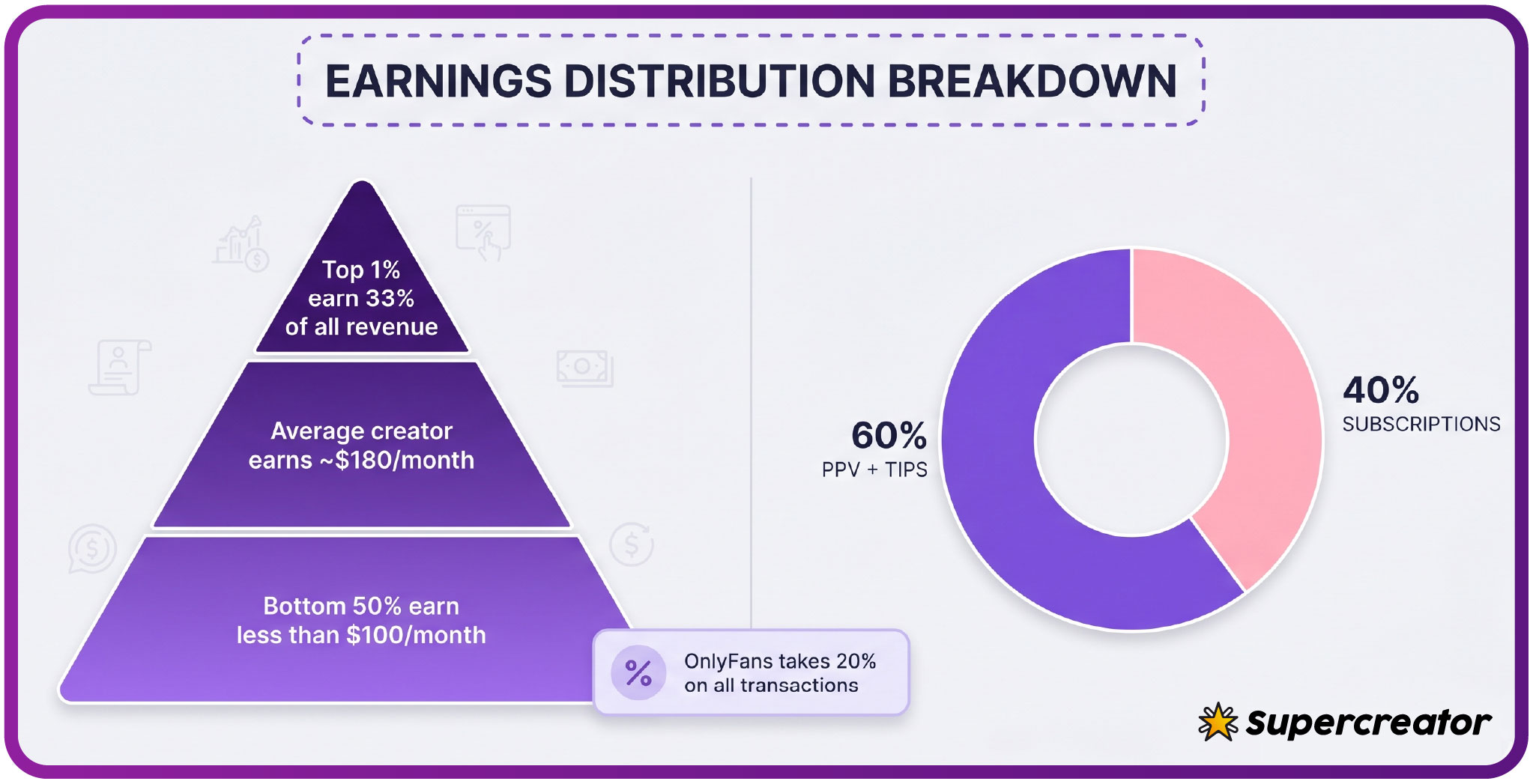
The verification matters because free pages are not transaction-free. Creators on free pages earn through pay-per-view messages, tips, and paid chat. A PPV message can unlock content up to $50, and tips can reach $100. Paid chat commonly runs $3 to $5 per message. The platform needs a working payment method on file before any of that becomes possible.
- Age compliance: a card confirms the account holder is an adult in a jurisdiction where the platform operates.
- Fraud reduction: a micro-authorization filters out bulk fake accounts created with generated card numbers.
- Payment validation: the card is proven live before future PPV unlocks or tips are attempted.
None of these steps charge you for the free subscription itself. They only prove the method works. The BestOnlyFans method stays consistent across updates.
The Exact Hold Amount and Timeline
The authorization amount is $0.10. It is a test, not a fee, and it is structured to be small enough that a declined hold almost always signals a card problem rather than an empty account.
The lifecycle runs in a fixed order from the moment you submit your card details.
- Authorization pending: your bank receives a request for $0.10 and reserves the amount.
- Temporary deduction: the reserved amount may appear as a pending line on your statement.
- Merchant release: OnlyFans releases the authorization once verification passes.
- Bank processing: your issuer clears the pending entry, typically within a few business days.
- Disappearance: the line vanishes from your statement without ever posting as a settled charge.
Refund timing depends on the issuer, not the platform. Debit cards often clear pending authorizations faster than credit cards. If the line is still visible after five business days, that is usually a bank-side delay rather than an unresolved charge.
Tip: if you are joining several free pages in one session, space the signups a few minutes apart. Rapid repeat authorizations on the same card are more likely to trip a fraud rule at your bank than the same number spread across an afternoon.
How the Hold Appears on Bank Statements
This is where most confusion starts. The $0.10 does not always look like $0.10 on a banking app. Some issuers display pending authorizations with a rounded or held amount, and some show the merchant descriptor in a shortened form.
| Statement Element | What Subscribers See | Meaning |
|---|---|---|
| Pending label | “Pending” or “Authorization” next to the line | The hold has not settled; it will drop off |
| Merchant name | A shortened or parent-company descriptor | Still the platform’s payment processor |
| Posted status | Line moves from pending to posted | Check the amount; a real charge would match your subscription |
| Credit card display | Often appears faster than debit | Presentation speed differs by issuer, not by platform |
| Debit card display | Balance may dip by the held amount | The money is reserved, not spent |
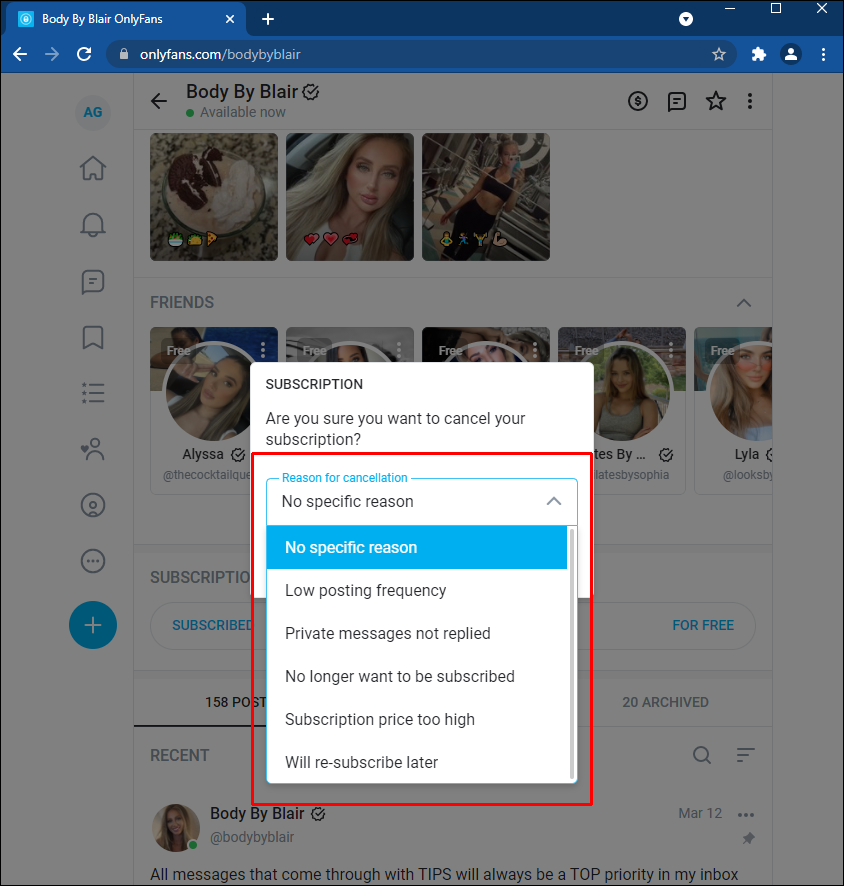
A settled charge on a free page would only appear if you later bought something: a PPV unlock, a tip, or paid chat. Those are separate transactions with their own amounts and descriptors.
Common Confusion Points for New Subscribers
Most support threads about this topic come from the same five misunderstandings. Clearing them up removes nearly all the anxiety around the $0.10 line.
- “Free means no card needed.” Free refers to the subscription price, not to verification.
- “The hold is a hidden fee.” It is an authorization, not revenue; the platform does not keep it.
- “A decline means a permanent ban.” A failed hold usually means a card issue, and you can retry with another method.
- “Holds affect my credit score.” Pending authorizations are not credit events and are not reported as debt.
- “Multiple holds stack into money I owe.” Each one releases independently and none convert into balances.
The practical test is simple. If a line matches a subscription price you actually agreed to, it is billing. If it matches the verification amount or sits in pending status, it is the hold.

Payment Methods That Work Best for Free Signups
Not every card behaves the same way during a micro-authorization. The method you choose affects how smoothly the hold clears and how much of your main balance is exposed while it is pending.
- Standard bank debit and credit cards: highest success rate, fewest declines, but the hold touches your primary account.
- Virtual cards: strong control over exposure and easy to freeze, though some issuers block recurring merchant categories.
- Prepaid reloadable cards: good isolation from your main account, but they need a small loaded balance to absorb the hold.
- Platform-specific digital wallets: convenient where supported, but availability varies by region and issuer.
If your goal is simply to browse free content, a virtual card keeps the verification separate from the account you use for everyday spending. Creators keep 80% of what subscribers spend, and the platform takes a 20% fee, which is another reason pricing and billing mechanics are worth understanding before you commit a primary card.
What Happens After Verification Completes
Once the $0.10 authorization clears, the account moves to active status. You get access to the free page’s feed, and the creator can send you messages including PPV offers.
Being verified does not mean you have purchased anything. You still have to actively confirm any PPV unlock, tip, or paid chat message. The card on file is a payment method, not a standing order.
One detail worth knowing: if you later subscribe to a paid page and the creator raises the price, auto-renew stops automatically. Your existing access lasts until the paid period you already bought ends. Paid base subscriptions run from $4.99 to $49.99, with most clustering between $5 and $10. Promotional first months can dip below $4.99, but base prices cannot.
Troubleshooting Failed Verification Attempts
A declined hold is frustrating because the amount is trivial. The cause is usually a bank-side rule rather than your balance. Work through the steps in order before trying a different card.
- Check card permissions: confirm online and recurring transactions are enabled on the card.
- Verify the billing address: the address must match what your issuer has on file, character for character.
- Confirm available balance: the card needs enough headroom to absorb the micro-hold, even at $0.10.
- Call your issuer about international blocks: some banks decline foreign merchant authorizations by default.
- Retry with an alternative method: a different card type often passes where the first one failed.
If your card works elsewhere but fails here, the block is almost always a category rule. Some issuers flag adult-platform merchant codes regardless of the amount. That is a policy setting, not a problem with your account.
Managing Multiple Free Page Verifications
Subscribers who join several free pages in one session generate several separate authorizations. Each one is independent, and each one releases on its own schedule.
| Scenario | Total Hold Exposure | Subscriber Action |
|---|---|---|
| Single free page signup | One $0.10 authorization | Nothing needed; it clears within days |
| Three free pages in one sitting | Three separate $0.10 authorizations | Space signups out to avoid fraud flags |
| Ten free page registrations | Ten independent authorizations | Use one dedicated card to keep the main statement clean |
A dedicated card for platform signups is the cleanest approach. It keeps the pending lines off your primary account and makes it obvious which entries are temporary. For readers comparing pages before committing, resources like free onlyfans weekly roundups can reduce the number of signups you attempt, since the platform has no built-in discovery feed or directory.
If a hold lingers past a week across multiple signups, check each one individually rather than assuming a single unresolved charge. Issuers process each authorization on its own timeline.
FAQ
Will the $0.10 verification hold ever become a real charge I cannot recover?
No. It is an authorization, not a settled transaction. The platform releases it after verification and your issuer clears the pending entry within days. For it to become a charge, you would have to make an actual purchase such as a PPV unlock or a tip.
Does entering my card for a free page automatically enable future purchases?
No. Your card is stored as a payment method, but every PPV unlock, tip, and paid chat message requires your active confirmation. Free page subscriptions stay at $0 unless you choose to spend.
Why was my card declined for a free page when it works elsewhere?
Issuers often block adult-platform merchant categories or foreign authorizations by default, regardless of the amount. Check that online and recurring transactions are enabled, confirm your billing address matches your issuer’s records, and then retry with a different card.
How long should I wait before contacting support if the hold has not disappeared?
Give it five business days. After that, contact your card issuer first, because most lingering holds are bank-side processing delays. If the issuer confirms the authorization was released, then contact platform support with the date and amount.